Designing with earth
 09.00-12.00
 Oslo arkitektforening
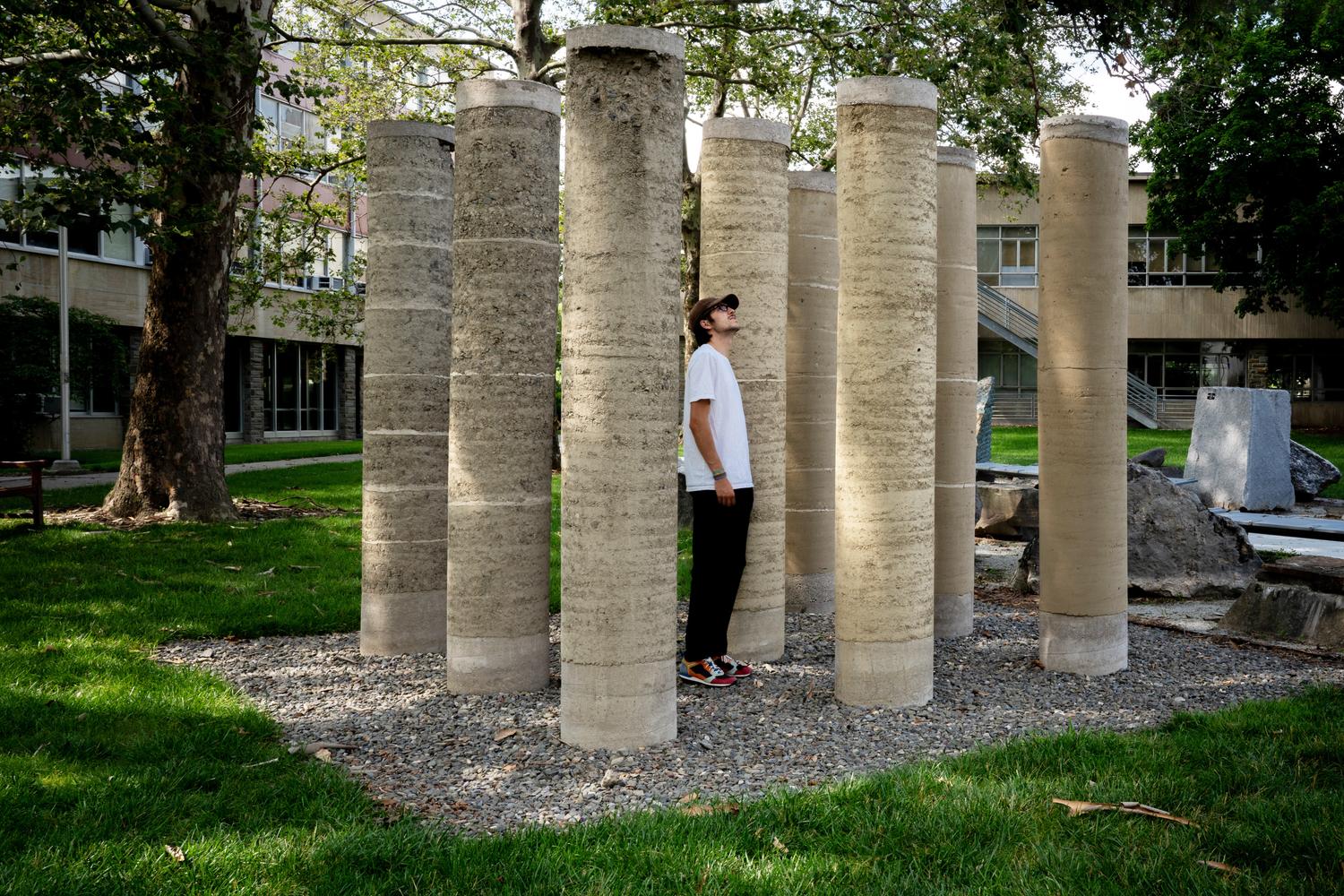
Earth is one of the oldest building materials, yet it remains surprisingly unfamiliar in contemporary architectural practice. As architects look for ways to reduce embodied carbon, material use (and reuse), and dependence on resource-intensive construction systems, unfired earth offers an opportunity to rethink how we design buildings from the very
beginning.
Working with earth is not simply a matter of replacing one material with another. Its properties- mass, moisture regulation, texture, local availability, and relatively low processing requirements- have direct consequences for structure, detail, space, and architectural expression. These characteristics also introduce limitations that need to be understood early in the design process.
This workshop introduces how unfired earth can become a design consideration rather than a material chosen at the end of a project. Through a combination of short lectures and hands-on exercises, bridging theory and practice, participants will develop practical ways of Designing with Earth.
PROGRAMME
10 min Introduction
30 min Lecture: Introduction to Earth Construction
30 min Lecture: Design Guidelines for Unfired Earth Materials (early-stage design strategies)
10 min Q&A/ discussion
20 min Coffee Break
60 min Group workshop: exploring materials and applying design principles
20 min Closing discussion, key takeaways, and next steps
LEARNING OUTCOMES
After the workshop, participants will:
Understand the environmental benefits, architectural potential, and material limitations of unfired earth Gain basic knowledge of unfired earth construction techniques, including cob, rammed earth, and earth blocks, supported by relevant case studies
Explore early-stage design strategies for integrating unfired earth into architectural projects and competitions
Develop a practical toolkit for working with unfired earth as part of the design process
Identify key opportunities and challenges for using unfired earth in Norwegian practice
Connect with professionals and organisations working with regenerative and low-carbon architecture
TARGET AUDIENCE
Architects
Landscape architects
Interior architects
Architecture and engineering students
Engineers and other built-environment professionals interested in sustainable construction